




Nintendo Loses ‘Super Mario’ Trademark Fight With Grocery Store
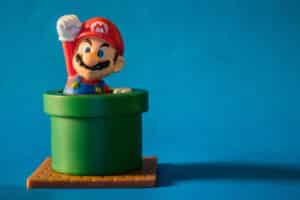
Super Mario is one of the most iconic and beloved releases in video game history. Over 200 games have been created in the franchise, and it would be difficult to argue that people don’t immediately think of Nintendo when they hear the word Mario. However, this didn’t stop Nintendo from losing a recent Super Mario trademark battle with a small grocery store.
This surprising situation is unfolding in Costa Rica — a jurisdiction whose trademark infringement laws vary from those in America. Still, the country does not allow brands to use trademarks that might create confusion among consumers regarding the source of products or services. However, there’s a small nuance that may have brought down the video game giant.
Nintendo Unable to Stop Super Mario Trademark
Back in 2013, Don José Mario Alfaro González opened up a supermarket and named it “Super Mario.” He wasn’t shy about seeking trademark registration over the name, and at the time, Nintendo filed no opposition. However, this all changed in March 2024 when Don Jose Mario attempted to renew his filing. This is when Nintendo took note.
In its trademark opposition, Nintendo claimes that the grocery store owner was purposefully trying to evoke its famous plumber in the minds of consumers. The inherent problem Nintendo faced came down to trademark classes. While the gaming behemoth has various Super Mario trademarks, none of them cover supermarket or grocery store services.
This simple distinction allowed the grocer to do something many others have failed at: defeat Nintendo in an intellectual property claim.
Nintendo Facing Onslaught of Intellectual Property Issues
There are important facts to note regarding Nintendo’s current Mario battle. For one, the grocery store owner’s name is Mario, so this undoubtedly gave him a bit of leeway. However, the company’s Facebook page clearly features Nintendo properties — many of which are bootleg. Still, this battle in Costa Rica is far from the biggest issue Nintendo has had recently.
Recently, the company targeted Palworld with claims of patent infringement due to a video game clearly based on the Pokemon franchise. Nintendo has also been in a constant battle with parties that facilitate the emulation of the brand’s video games. In most cases, Nintendo has done well at protecting its properties — and had the Costa Rican trademark dispute occurred in America, they may have won.
Unfortunately for the company, international trademark law isn’t quite standard.
Would Nintendo Have Won in America?
The U.S. Patent and Trademark Office (USPTO) does not allow trademark registrations that would create a likelihood of confusion among consumers. Some may argue that the Super Mario trademark on a grocery store wouldn’t create confusion. The question really comes down to whether consumers might believe the supermarket was run by Nintendo.
Regardless of whether confusion exists, though, the video game giant may have still emerged victorious in America due to trademark dilution laws. They could have argued that — even in the absence of consumer confusion — the registration of “Super Mario” by another brand could weaken the connection between Super Mario and Nintendo in consumer’s minds.
Unfortunately for the popular gaming company, international trademark law does not conform to American standards. And while Nintendo has the option to appeal the decision of the Costa Rica Registro Nacional, there’s no guarantee that the supermarket will be stripped of the Super Mario trademark. Perhaps Bowser should’ve taken Peach down to Central America.