




‘Top Gun’ Lawsuit Brings Questions of Copyright Licensing to Hollywood
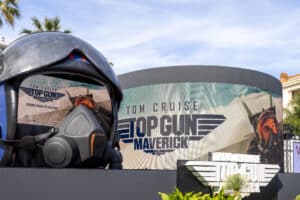
When Top Gun was released in 1986, it solidified Tom Cruise’s status as a leading man and netted over $350 million at the box office. In just its first 10 days of release, though, the sequel Top Gun: Maverick secured over $550 million worldwide. The sequel’s success may turn costly for the studio, though, thanks to a copyright infringement lawsuit filed against Paramount Pictures.
‘Top Gun’ Copyright Lawsuit Filed in Federal Court
The original Top Gun film was based on a 1983 article by Ehud Yonay entitled Top Guns. The studio secured rights to the story back then, but the widow and son of Yonay claim they did not do so for the film’s sequel. The lawsuit they’ve filed seeks unspecified damages, but what they’re asking for includes profits from the movie along with a copyright injunction to prevent further distribution of Maverick and any sequels.
The timeline of the film seems to be the most important factor in this case. In January 2018, Yuval and Shosh Yonay informed Paramount that they would reclaim the copyright to the story the original film was based on after January 2020. It’s worth noting that this was a mere eight months after Tom Cruise confirmed the sequel was happening.
The ‘Top Gun’ lawsuit claims production stretched into 2021. The Yonays state that the studio no longer had film rights at this point — even though filming started in May 2018. The timeline will likely play a role in the eventual decision of the case. There does seem to be some disagreement, however, over the timeline in question.
When Was ‘Top Gun’ Completed?
In May 2022, the Yonay family sent a copyright cease and desist letter to Paramount. They claimed the film was “obviously derivative” of the deceased Ehud Yonay’s original article. While this may seem to be the case — considering the film is a direct sequel to the original movie that was based on Yonay’s article — Paramount responded to the letter by saying it wasn’t obviously derivative. More importantly, they stated that the film was “sufficiently completed” before they lost rights to the work.
The Yonay family directly contradicts this claim. While the Yonays appear to have a right to reclaim the original copyright — which the law allows after 35 years — the case will no doubt boil down to the film’s timeline. Even if the Yonays win this case, however, it will not prevent Paramount from distributing works created while they did own the copyright. Any further films, however, would result in the studio needing to seek the rights again.
What Happens Now?
While Top Gun: Maverick seems poised to become Tom Cruise’s first billion-dollar film, its release could turn costly for Paramount. If a court decides the studio committed copyright infringement, they could face a variety of financial penalties. This would result in their profits being cut drastically. Of course, the case may not make it to a final decision. This is because the parties involved could reach an agreement prior to a trial’s conclusion.
We’ll have to wait to see how Paramount responds to the lawsuit to make a better prediction of how the case will end. While there’s no definite way to know how the Top Gun copyright lawsuit will end, it certainly has placed the film’s studio in “the danger zone.”